Features
Charlotte's Web: A CBD Origin Story
With the help of Cannabidiol, a dedicated mother and compassionate cultivators, Charlotte Figi has defied the odds and given hope to patients around the world.
Features
Charlotte's Web: A CBD Origin Story
With the help of Cannabidiol, a dedicated mother and compassionate cultivators, Charlotte Figi has defied the odds and given hope to patients around the world.
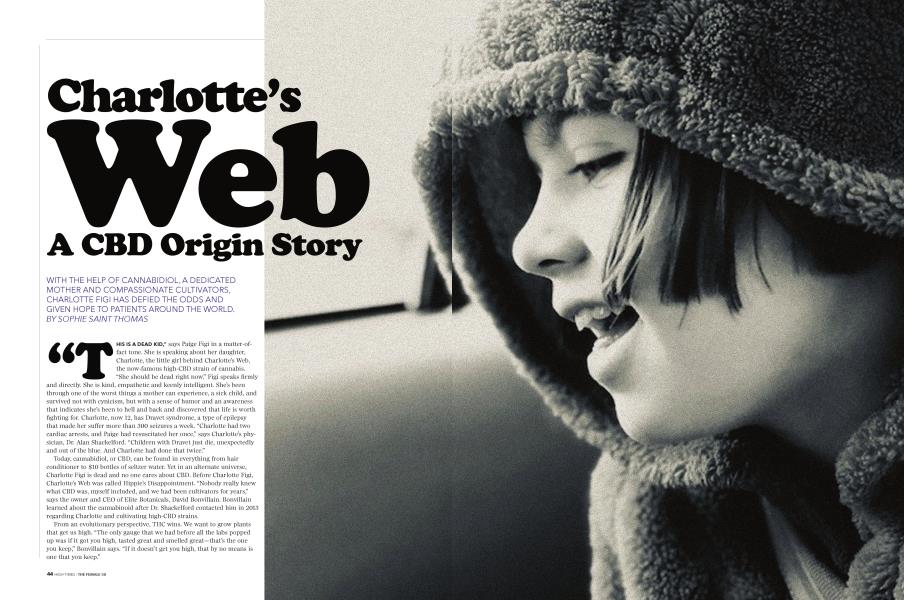
"THIS IS A DEAD KID," says Paige Figi in a matter-of-fact tone. She is speaking about her daughter, Charlotte, the little girl behind Charlotte’s Web, the now-famous high-CBD strain of cannabis.
“She should be dead right now.” Figi speaks firmly and directly. She is kind, empathetic and keenly intelligent. She’s been through one of the worst things a mother can experience, a sick child, and survived not with cynicism, but with a sense of humor and an awareness that indicates she’s been to hell and back and discovered that life is worth fighting for. Charlotte, now 12, has Dravet syndrome, a type of epilepsy that made her suffer more than 300 seizures a week. “Charlotte had two cardiac arrests, and Paige had resuscitated her once,” says Charlotte’s physician, Dr. Alan Shackelford. “Children with Dravet just die, unexpectedly and out of the blue. And Charlotte had done that twice.”
Today, cannabidiol, or CBD, can be found in everything from hair conditioner to $10 bottles of seltzer water. Yet in an alternate universe, Charlotte Figi is dead and no one cares about CBD. Before Charlotte Figi, Charlotte’s Web was called Hippie’s Disappointment. “Nobody really knew what CBD was, myself included, and we had been cultivators for years,” says the owner and CEO of Elite Botanicals, David Bonvillain. Bonvillain learned about the cannabinoid after Dr. Shackelford contacted him in 2013 regarding Charlotte and cultivating high-CBD strains.
From an evolutionary perspective, THC wins. We want to grow plants that get us high. “The only gauge that we had before all the labs popped up was if it got you high, tasted great and smelled great—that’s the one you keep,” Bonvillain says. “If it doesn’t get you high, that by no means is one that you keep.”
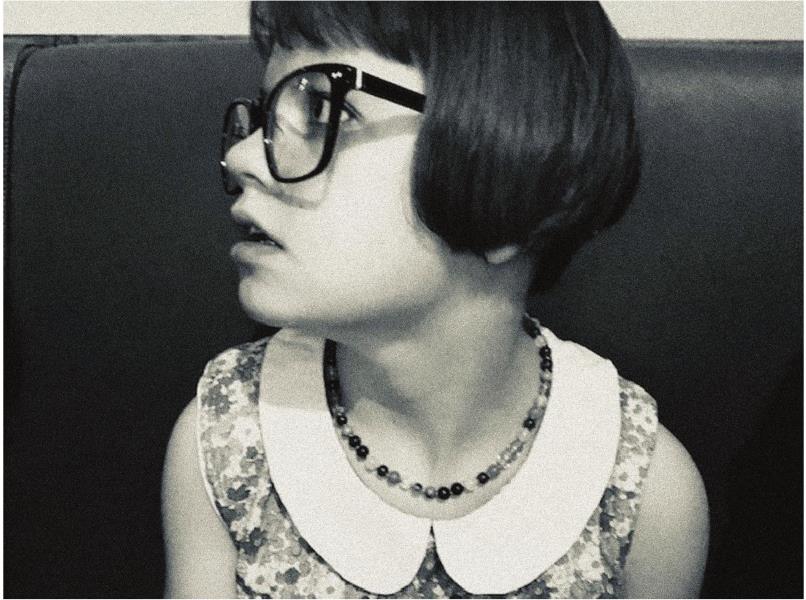
“She was going to die; we didn’t have much time. I thought, I’m going to chase this down a little bit and maybe it will help someone else,” Figi recalls, noting that no one was even using the term “CBD” back then.
Origin stories are crucial to any superhero plot, because if you understand where something comes from you can make sense of where it’s going. The future of CBD currently looks like a messy and expensive circus. Yet its origin is simple and primal: A mother was willing to do anything to keep her daughter alive. If we step back from the gas-station CBD brownies and consider why we’re gaga over cannabidiol in the first place, we can get organized and return our attention to ensuring that plant medicine is accessible and affordable for everyone.
Charlotte and her twin sister, Chase, were born on October 18, 2006. When Charlotte was 3, she had her first seizure. Figi and her then husband, Matt, rushed Charlotte to the hospital. The family and doctors hoped that the seizure was only an aberration, but it was just the first of many. Eventually, Charlotte was diagnosed with the worst-case scenario: Dravet syndrome, a rare, catastrophic and lifelong form of epilepsy. Charlotte was given an array of drugs, such as benzodiazepines, to treat the seizures. Nothing worked. “She would have seizures that were four hours long,” Figi says. “They put her on life support, we opened her eyeballs, and she’s still seizing. Everything else is shut down and she’s still seizing. She’s seizing around the clock,
24 hours a day. She has a couple weeks left to live, she’s all hooked up to oxygen, she was in hospice.” The year was 2011. Charlotte was 5 years old. It was time to take her home. Charlotte’s survival was as unlikely as it was that an entire country, perhaps the world, would soon be obsessed with a type of pot that doesn’t even get a person high. But all superhero stories need a good plot twist.
Until cannabis is legalized at the federal level, it will be difficult to study the plant. That fact may be the single biggest hindrance to American medical research today. However, Figi was conducting her own research. She kept meticulous notes about Charlotte. And she learned about a small doubleblind study on CBD in epileptic patients conducted in Brazil. Eight people were given CBD, and eight were given a placebo. Symptoms nearly disappeared in half of those given CBD, and another three experienced a reduction in the intensity of their seizures. Just one from the placebo group showed progress. There was nothing left to lose. So Figi fought to try it for her daughter. “She was going to die; we didn’t have much time. I thought, I’m going to chase this down a little bit and maybe it will help someone else,” Figi recalls, noting that no one was even using the term “CBD” back then.
CBD may not get you high, but something about its neuroprotective and anti-inflammatory properties can save the life of a child. Charlotte’s success with CBD forever changed the way we evaluate the cannabis plant.
Figi went to dispensaries, called thousands of patients, advocates and pharmacies in search of cannabis low in THC (which made Charlotte’s seizures worse) and high in CBD. If they didn’t have an answer to her query, she asked for five more names. One day, she went to the last dispensary in Colorado Springs she hadn’t yet visited. “They had smoked what they were going to sell me,” Figi recalls. “It wasn’t enough to test. Charlotte had a seizure on the floor... and I’m like, ‘Fuck this; I quit.’” But then Joel Stanley, one of the six Stanley brothers, the growers of Charlotte’s Web, showed up at her doorstep. He was the first person Figi met who had heard of CBD. He had five little plants growing a 30:1 ratio of CBD to THC, created by crossbreeding marijuana with industrial hemp.
“We started cultivating,” Figi says. “Two months later, we had enough to start.” After meticulously calculating doses, Figi put CBD oil into Charlotte’s feeding tube. “I gave her her first dose,” she says, “and it worked.”
There was so little research on CBD that even Dr. Shackelford didn’t know what to expect. “I was literally on pins and needles,” he recalls. “The weight of the world was lifted when Paige told me Charlotte was seizure-free. It’s difficult to describe how elated I was.” Charlotte went from 300 seizures a week to just a few a month. Figi and Charlotte’s medical-cannabis team witnessed a miracle, but what came next? Dr. Shackelford began the process of getting approval for Charlotte to use cannabis from the state’s medical director, even though they were doing nothing illegal, to make it official. Charlotte’s growers and cultivators ensured that they had plenty of highCBD cannabis that met hemp requirements. And in 2013, CNN told Charlotte’s story as part of a documentary titled Weed, hosted by Sanjay Gupta. The world was watching.
And both Charlotte and CBD became household names.
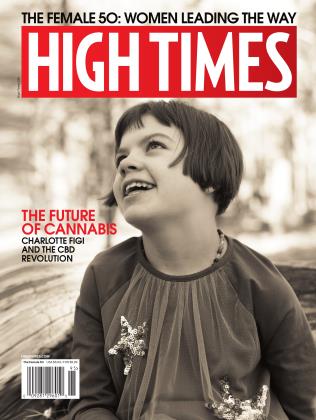
 Paige Figi turned to cannabis to save her daughter's life.
Figi began taking in medical refugees, parents of children with Dravet syndrome and other conditions, who couldn’t get medical marijuana in their home state. “People got in their car and moved to Colorado the day the [CNN report] aired,” she says. “Most of them lived in my house. It was tragic because some people died watching this go on that couldn’t make it to Colorado.” Figi is a mother. She likes to ride her motorcycle and camp, and she homeschools her children. She had a bicycle custommade so she can ride it with Charlotte. Charlotte is a kid. Neither of them, nor their family, signed on to become the poster child for CBD. Decisions to engage with the media are based solely from an advocacy perspective, something Figi stressed repeatedly during this interview. After the CNN documentary came out, and families with sick kids began literally living in her house, there was no choice but to continue to advocate for cannabis. “We should have rights,” she says. “It’s America.”
In December 2018, hemp became legal to grow in the United States with the passage of the Farm Bill. To be considered hemp, cannabis must contain less than 0.3 percent THC. “Six years ago, it was really unique that we had those strains and we gave a shit enough to go through and try and do what we did,” says Bonvillain of growing high-CBD strains for Charlotte and patients like her. “It’s strange to see so much resistance, and now everyone’s on the bandwagon,” Bonvillain says. “Charlotte was going to die and then didn’t because of a plant that I risked my family’s safety and my own freedom to be able to grow.” He adds that while he regrets nothing and it was all worth it, he will likely never make back the money he invested in his company because the CBD market is so saturated. “Pioneering things ain’t easy,” he remarks.
CBD may not get you high, but something about its neuroprotective and anti-inflammatory properties can save the life of a child. Charlotte’s success with CBD forever changed the way we evaluate the cannabis plant.
“It opened people’s eyes to the fact that there’s more to it than people sitting around getting stoned all day,” Bonvillain says. “It’s the gateway to understanding how cannabinoids work.”
Figi thinks beyond CBD; she believes all cannabis should be accessible. “I want to [bring all the factions of the legalization movement together and] merge anyone involved [in any specific aspect of] this whole plant,” she says. “Let’s legalize it. It’s a fucking plant. This is ridiculous. I don’t care what you’re using it for. We could have had this done a while ago. We should all be so angry.” She didn’t get to chill out once CBD worked on Charlotte. There were other sick kids. The CNN documentary gave her power and influence, and it would have been irresponsible for her not to use it. However, after inserting that CBD oil into Charlotte’s feeding tube, after literally searching the planet for cannabis rich in CBD, Figi must now adjust to fighting for safe and accessible medicine in a world where improper regulation, capitalism and social media have turned CBD into the trendiest accessory of the season. “People use this as medicine,” Bonvillain says. “You can’t just put anything in there. The market has gone very weird. It may be one of the most effective anti-inflammatory products that has ever been discovered, and we have a whole market of bullshit. There’s no regard to making sure it’s clean and quality, and the pricing is so expensive that you can’t actually afford it.”
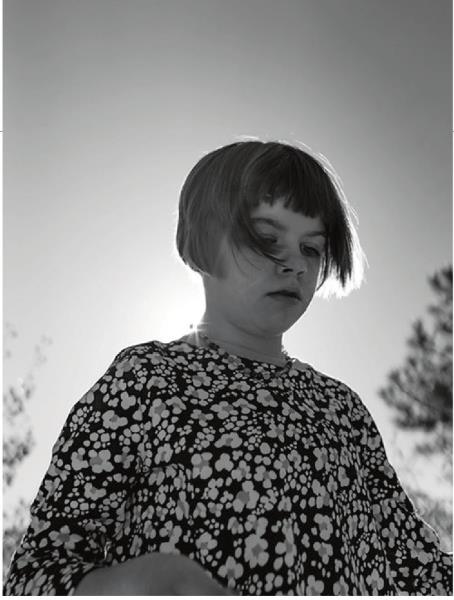
“Let’s legalize It. It’s a fucking plant. This is ridiculous. I don’t care what you’re using it for. We could have had this done a while ago. We should all be so angry.”
Bonvillain doesn’t know what’s going to happen next within the CBD market, but he suspects that it’s going to get ugly. Still, no one can argue with the incredible results CBD has yielded. Charlotte is still alive. Figi often asks why Charlotte had to go through this for people to show some interest in medical cannabis. Then, after showing no signs of illness previously, Charlotte’s twin sister, Chase, had a seizure at age 9. And then she had one more. Figi started her on Charlotte’s medicine and Chase hasn’t had another seizure since. The world is relentless, but there’s hope. And with 11 states and the District of Columbia fully legalizing cannabis, and well over half the states allowing for the use of medicinal cannabis, federal legalization of marijuana can’t be far behind. Still, Figi knows the reality of Charlotte’s illness, even with CBD. But she has learned to survive the chaos. “As normal as possible, we have a normal life. I still think every night is going to be her last night,” Figi says. “I embrace every single day.”